
That “old dog breath” you’ve learned to live with? It’s not just a sign of age — it’s almost always a sign of dental disease. By the time pets reach their senior years, periodontal disease affects up to 80% of dogs and cats, and in older animals it’s often been quietly progressing for years.
At Wagga Wagga Veterinary Hospital, we’ve spent over 60 years caring for senior pets across Wagga, Kooringal, Lake Albert, and the wider Riverina. Dental disease is one of the most common and most overlooked problems we see in our Golden Oldies. Here’s why ageing mouths need extra attention, and what you can do about it.
Why Dental Disease Hits Senior Pets Harder
Dental disease isn’t something that appears overnight. It builds gradually as plaque hardens into tartar, inflames the gums, and works its way below the gumline to attack the structures holding teeth in place. The longer it goes unaddressed, the more damage accumulates.
For a senior pet, that often means years of slow progression. What might have been mild gingivitis at five years old can become advanced periodontal disease by ten or twelve, bringing loose teeth, painful infections, and damage that’s no longer reversible. Older pets are also more likely to have other health conditions that make dental problems harder to ignore and more important to treat.

The Silent Problem: Pain You Can't See
Here’s what makes dental disease so dangerous in senior pets: they hide it remarkably well. Your dog or cat won’t stop eating just because their mouth hurts. They’ll simply adapt, chewing on one side, swallowing food whole, or becoming a little fussier. These subtle changes are easy to write off as “just getting old.”
In reality, that reluctance to play with toys, the new preference for soft food, or the slight withdrawal from face pats may all point to mouth pain. Senior pets deserve to eat and live comfortably, and dental pain is one of the most treatable causes of a pet “slowing down.”
Warning Signs to Watch For
Book a dental check if you notice any of these in your senior pet:
- Bad breath (the most common early sign)
- Reluctance to eat dry food, or chewing on one side
- Red, inflamed, or bleeding gums
- Drooling or pawing at the mouth
- Chipped, broken, discoloured, or missing teeth
- Pulling away when you touch their face
- A messier eater than they used to be

More Than Just Teeth: The Whole-Body Link
Dental disease isn’t confined to the mouth. The bacteria responsible for periodontal disease can enter the bloodstream and place strain on the heart, kidneys, and liver, organs that are often already working harder in older pets. This is why we treat dental health as part of your senior pet’s overall wellbeing, not a cosmetic extra.
Addressing dental disease early doesn’t just relieve mouth pain. For a senior pet, it can reduce the systemic load on vital organs and support a healthier, more comfortable life overall.
"Is My Pet Too Old for an Anaesthetic Dental?”
This is the single most common concern we hear from senior pet owners, and it’s completely understandable. The reassuring truth is that age itself is not a disease, and a healthy senior pet is rarely “too old” for the dental care they need.
What matters far more than age is your pet’s overall health, and that’s exactly what we assess before any procedure. For our senior patients we:
- Run pre-anaesthetic blood work to check kidney, liver, and organ function
- Use modern anaesthetic protocols chosen specifically for older pets
- Provide close monitoring throughout the procedure
- Tailor the plan to your individual pet’s needs and comfort
Because we have an in-house laboratory, blood results come back within hours, not days, so we can assess, plan, and proceed safely without unnecessary delays. Leaving advanced dental disease untreated often carries more risk to a senior pet than a well-managed anaesthetic.
What a Senior Dental Visit Involves
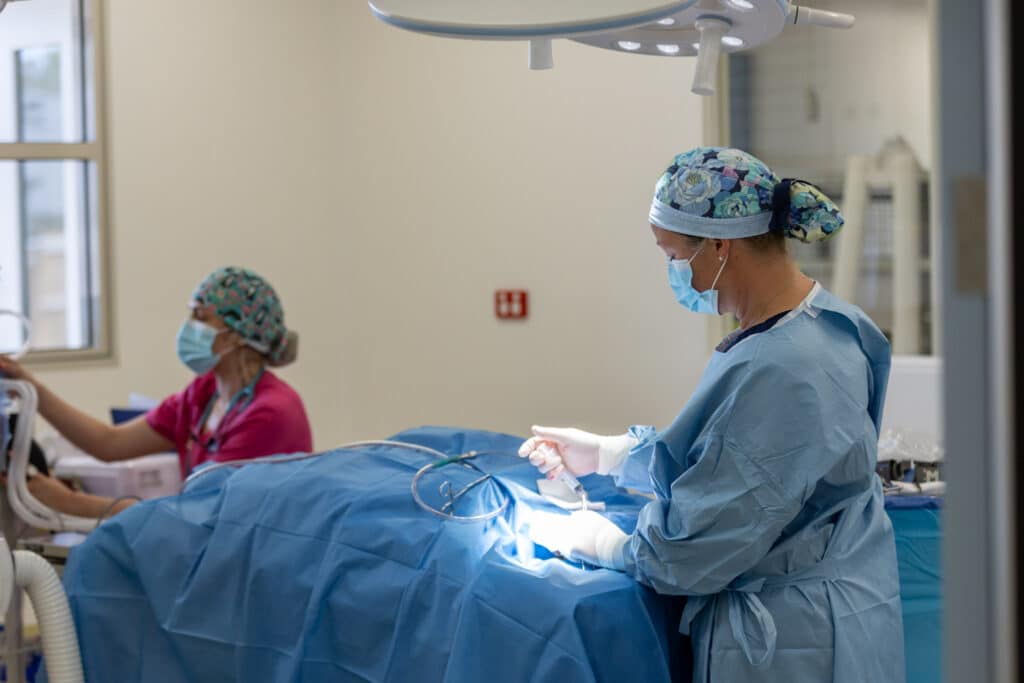
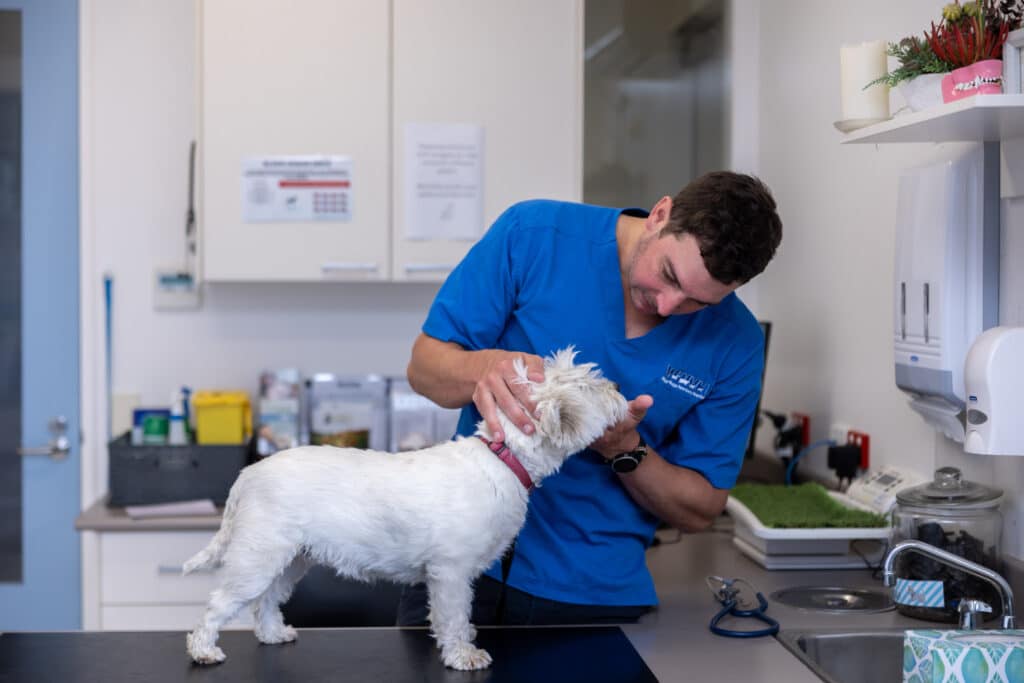
A proper dental assessment goes well beyond a glance at the front teeth. Under anaesthetic, we can perform a complete oral examination, take dental X-rays to reveal problems below the gumline (where around 70% of each tooth sits), clean away plaque and tartar, treat or remove diseased teeth, and manage pain throughout recovery. The result is a pet who can eat, play, and rest without the burden of chronic mouth pain.
Caring for Your Senior Pet's Teeth at Home
Between visits, a simple home routine makes a real difference. Just a few minutes of tooth brushing every day or two is the gold standard, supported by dental diets, chews, and water additives. Even for older pets who’ve never had their teeth brushed, it’s rarely too late to start, and our veterinary nurses are happy to show you how. For more on building a routine at home, see our dental disease and home care guide.
Give Your Golden Oldie a Pain-Free Smile
After years of loyalty and companionship, your senior pet deserves to enjoy their golden years without the discomfort of dental disease. The earlier we catch it, the simpler it is to treat, and the more comfortable your companion will be.
Whether your senior dog or cat lives in Kooringal, Lake Albert, Turvey Park, or anywhere across Wagga and the Riverina, our experienced team is here to help. If you’ve noticed bad breath, changed eating habits, or any of the warning signs above, don’t wait.
Book a senior dental check today. Our Golden Oldies senior pet care approach includes a thorough oral assessment as part of looking after your ageing companion, and our dentistry service is built around keeping older pets safe and comfortable.
Call (02) 6926 0900 to book. Available 24/7 for emergencies.
Locations: 132 Urana Street, Wagga Wagga | 140 Broadway Street, Junee