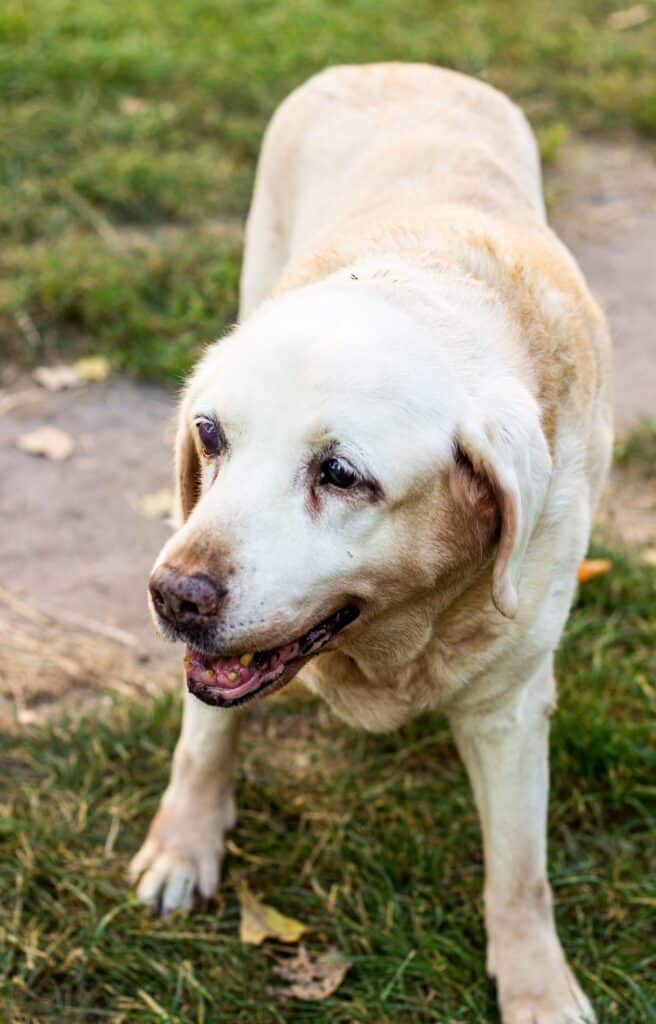
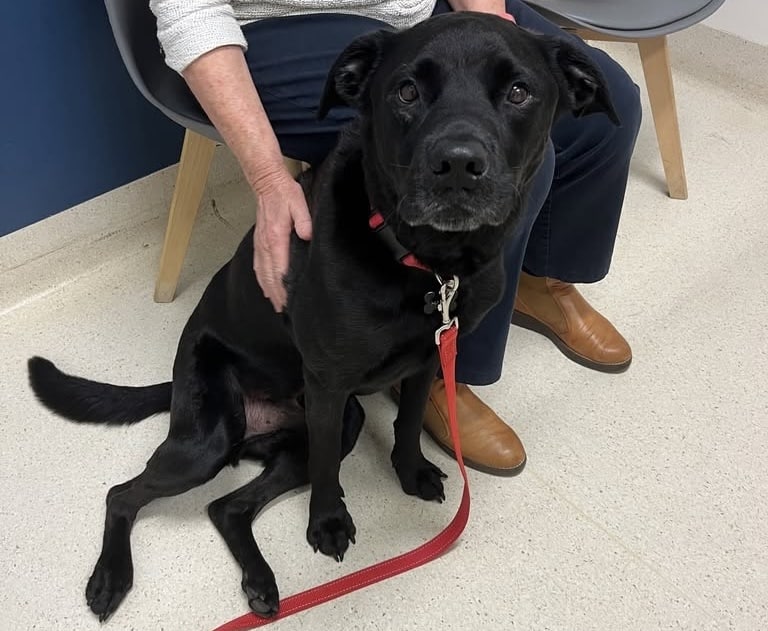
Watching your once-energetic companion struggle to climb stairs or hesitate before jumping onto their favourite couch is heartbreaking. If your senior dog or cat is moving more slowly, sleeping more, or showing reluctance to play, arthritis might be the culprit-and you’re not alone in facing this challenge.
Arthritis affects an estimated 80% of dogs over eight years old and up to 90% of cats over twelve years. Despite how common it is, many pet owners don’t realise their companion is in pain until the disease has significantly progressed. The good news? Early detection and proper management can dramatically improve your senior pet’s quality of life.
At Wagga Wagga Veterinary Hospital, we’ve spent over 60 years helping senior pets across Wagga, Kooringal, Lake Albert, and the broader Riverina region stay comfortable and active in their golden years. Here’s what every pet owner should know about arthritis in aging companions.
What is Arthritis in Pets?
Arthritis-also called osteoarthritis (OA) or degenerative joint disease (DJD) occurs when the protective cartilage cushioning your pet’s joints gradually breaks down. This cartilage normally acts like a smooth shock absorber between bones, allowing joints to move freely and painlessly.
As arthritis develops, this cushion wears away. Bones begin rubbing directly against each other, causing inflammation, swelling, pain, and progressive joint damage. Once arthritis begins, the changes to the joint are permanent and cannot be reversed-but they absolutely can be managed.
Which Joints Are Affected?
- Hips (especially larger breeds with hip dysplasia)
- Elbows
- Knees (stifle joints)
- Shoulders
- Wrists (carpal joints)
- Ankles (hocks)
Interestingly, X-ray changes in cats with arthritis are often less severe than in dogs, and some arthritic cats show no radiographic changes at all-making early detection even more challenging.
Why Senior Pets Hide Their Pain
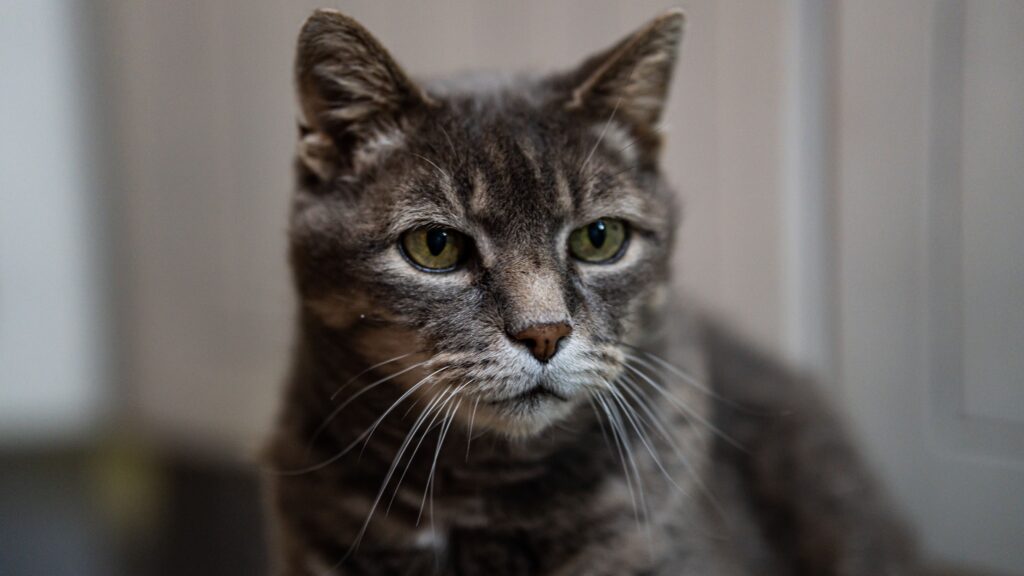
Here’s what makes arthritis particularly difficult to catch: your pet is hardwired to hide discomfort. This survival instinct inherited from wild ancestors means showing weakness could make them vulnerable. By the time symptoms become obvious to you, the disease may already be significantly advanced.
Dogs and cats also experience pain differently than humans. While we might complain about a sore knee, your pet simply adapts-climbing stairs less often, sleeping more, or avoiding activities that hurt. These subtle behavioural changes are easy to dismiss as “just getting old,” but they’re actually red flags worth investigating.
Recognising Arthritis in Your Senior Dog
Common Signs
Mobility Changes:
- Stiffness, especially after rest or in cold weather
- Difficulty standing up from lying down
- Reluctance to climb stairs or jump into the car
- Slower on walks or refusing to walk as far
- Limping or favouring one leg
- Bunny-hopping gait when running
Behavioural Changes:
- Sleeping more than usual
- Reluctance to play or interact
- Irritability when touched in certain areas
- Licking or chewing at painful joints
- Whimpering or yelping when moving
Physical Changes:
- Muscle loss (atrophy) in affected limbs
- Swollen or warm joints
- Decreased range of motion
- Changes in posture or how they carry themselves
Breed-Specific Considerations
Larger breeds like German Shepherds, Labrador Retrievers, Golden Retrievers, and Rottweilers are particularly prone to hip and elbow arthritis. However, any dog of any size can develop arthritis, especially if they’re overweight or have had previous joint injuries.
Recognising Arthritis in Your Senior Cat
Common Signs
Cats are masters of disguise when it comes to pain, making feline arthritis significantly underdiagnosed. Research shows 82% of cats over fourteen years have radiographic evidence of arthritis, yet owners reported lameness in only 13% of these cats.
Activity Changes:
- No longer jumping onto counters, beds, or favourite perches
- Using “stepping stones” to reach high places (jumping onto a chair, then the couch, then the windowsill)
- Reluctance to use stairs
- Playing less or showing no interest in toys
- Sleeping in more accessible locations instead of favourite high spots
Grooming & Litter Box Issues:
- Matted or unkempt coat (unable to groom properly)
- Urinating or defecating outside the litter box (painful to climb in or position themselves)
- Overgrown claws (not scratching as much)
Personality Changes:
- Hiding more frequently
- Irritability or aggression when handled
- Less social interaction with family
- Decreased appetite (painful to reach food bowls or chew)
- Changes in sleep patterns
Important: If your cat suddenly starts having litter box accidents, arthritis should be on your list of potential causes-not just behavioural issues.
How We Diagnose Arthritis
If you’ve noticed any warning signs, the first step is scheduling a comprehensive senior wellness examination. Here’s what we do:
Physical Examination
Our veterinarians carefully manipulate each joint, feeling for:
- Pain responses
- Swelling or heat
- Reduced range of motion
- Grinding sensations (crepitus)
- Muscle atrophy
- Gait abnormalities
Diagnostic Imaging
- X-rays (radiographs): Reveal bone changes, joint space narrowing, bone spurs (osteophytes), and other arthritic changes
- Advanced imaging: In some cases, CT or MRI scans provide more detailed views
Blood Work
Before starting arthritis medications, we perform blood tests to:
- Check kidney and liver function (ensuring safe medication use)
- Rule out other conditions causing similar symptoms
- Establish baseline values for monitoring
Joint Fluid Analysis
For unclear cases, we may take a sample of fluid from the affected joint to rule out infection or other joint diseases.
Treatment Options: A Multi-Modal Approach
If you’ve noticed any warning signs, the first step is scheduling a comprehensive senior wellness examination. Here’s what we do:
Step 1: Weight Management (The Most Important Factor)
Excess weight places enormous stress on already-damaged joints. Research shows that even a 25% reduction in food intake can:
- Increase median lifespan by 15% (approximately two years)
- Significantly delay arthritis onset
- Reduce lameness in arthritic pets
For pets already at a healthy weight, maintaining that weight prevents further joint damage. We can help you determine your pet’s ideal weight and create a manageable nutrition plan.
Step 2: Environmental Modifications
Make life easier for your arthritic pet:
For Dogs:
- Orthopaedic beds with memory foam
- Ramps for cars, beds, couches
- Non-slip rugs on hardwood or tile floors
- Raised food and water bowls
- Toe grips for better traction
For Cats:
- Litter boxes with low sides or cutouts
- Steps or ramps to favourite high spots
- Multiple litter boxes on each floor
- Soft, warm bedding in accessible locations
- Food and water bowls at ground level
Step 3: Joint Supplements
While not regulated as medications, many pets benefit from supplements containing:
- Glucosamine
- Chondroitin sulfate
- Omega-3 fatty acids (fish oil)
- Green-lipped mussel extract
These support joint health and may reduce inflammation. Quality matters-pharmaceutical-grade supplements are more effective than grocery store varieties.
Step 4: Physical Therapy & Rehabilitation
- Massage therapy
- Passive range of motion exercises
- Cold/heat therapy
- Hydrotherapy (water treadmills)
- Acupuncture
Step 5: Controlled Exercise
For Dogs:
- Short, frequent walks better than long, infrequent ones
- Swimming (excellent low-impact exercise)
- Gentle play sessions
- Avoid high-impact activities (jumping, running on hard surfaces)
For Cats:
- Interactive toys at ground level
- Gentle play sessions
- Laser pointers for controlled movement
- Food puzzles for mental stimulation
Step 6: Medications
Non-Steroidal Anti-Inflammatory Drugs (NSAIDs):
- Most common arthritis medication for pets
- Reduce inflammation and pain
- Examples: carprofen, meloxicam, Galliprant
- Require blood work monitoring
- Never give human NSAIDs like ibuprofen or naproxen to pets-they’re toxic
Pain Relief Medications:
- Gabapentin for nerve pain
- Amantadine for chronic pain
- Tramadol in some cases
Injectable Therapies:
- Pentosan polysulphate injections
- Reduce inflammation and improve joint lubrication
- Series of injections over several weeks
New Options for Cats:
- Monoclonal antibody therapy targeting nerve growth factor
- Specifically approved for feline arthritis
- Monthly injections
Step 7: Surgical Options
For severe cases or specific conditions:
- Total hip replacement
- Cruciate ligament repair (CCL/ACL tears)
- Elbow procedures
- Arthroscopy for joint cleaning
Dr. Andrea’s MANZCVS qualification in Small Animal Surgery means we can perform most complex orthopaedic procedures right here in Wagga Wagga-no need to travel to Sydney or Melbourne.

The Wagga Difference: Senior-Safe Care
At Wagga Wagga Veterinary Hospital, we understand that “Is my pet too old for treatment?” is often the biggest concern for senior pet owners. Here’s our approach:
Age Isn’t a Disease: With proper precautions, senior pets safely undergo procedures every day. We:
- Perform comprehensive pre-treatment blood work
- Use modern anaesthetic protocols designed for older pets
- Monitor closely throughout any procedure
- Tailor treatment intensity to your pet’s overall health
In-House Diagnostics: Our in-house laboratory means blood test results within hours, not days-allowing us to diagnose and begin treatment the same day.
24/7 Emergency Access: Arthritis pain can flare unexpectedly. When your senior pet needs help at midnight or on a Sunday, you reach our own qualified veterinarians who know your pet’s medical history-not an answering service.
Your Pet's Arthritis Management Plan
Every arthritic pet is different. A thirteen-year-old Labrador with hip arthritis needs a different approach than a fifteen-year-old cat with elbow problems. Here’s how we create individualised plans:
- Comprehensive Assessment: Full physical exam, diagnostic imaging, blood work
- Pain Level Evaluation: Using validated pain scales
- Lifestyle Discussion: Your pet’s activity level, home environment, your schedule
- Multi-Modal Treatment Plan: Combining appropriate medications, supplements, exercise, and modifications
- Regular Monitoring: Adjusting treatments as needed, typically every 3-6 months
When to Seek Veterinary Care
Schedule a wellness check if you notice:
- Any of the warning signs mentioned above
- Gradual decline in activity over weeks/months
- Reluctance to do previously enjoyable activities
Call us immediately (24/7) if:
- Your pet suddenly cannot walk or bear weight
- Severe pain (crying out, aggression when touched)
- Complete loss of appetite for more than 24 hours
- Significant behavioural changes

The Reality: Arthritis Doesn't Mean the End
We’ve seen countless senior pets regain their spark with proper arthritis management. Dogs who hadn’t played in months start bringing toys again. Cats who stopped jumping return to their favourite windowsills. The transformation is genuinely heartwarming.
Will your pet return to their two-year-old energy levels? No. But can they live comfortably, enjoy daily activities, and maintain quality time with your family? Absolutely.
Prevention: Protecting Younger Pets' Future Joints
If you have younger pets, you can take steps now to reduce arthritis risk later:
- Maintain healthy weight throughout life (single most important factor)
- Provide appropriate exercise (builds muscle support for joints)
- Avoid excessive high-impact activity in large-breed puppies (jumping, stairs)
- Address injuries promptly (cruciate tears, hip dysplasia)
- Consider joint supplements for at-risk breeds
- Regular wellness checks catch early changes
Your Golden Oldies Deserve Comfort
After years of loyalty, love, and companionship, your senior pet deserves to enjoy their golden years without chronic pain. Arthritis is manageable-but only if we catch it and treat it.
Whether your senior companion lives in Kooringal, Lake Albert, Turvey Park, or anywhere across Wagga and the Riverina, our experienced team is here to help. We’ve cared for thousands of arthritic pets over our 60+ years, and we understand exactly what your aging friend needs.
Don’t wait for obvious limping to seek help. Those subtle changes you’ve noticed-the slight hesitation, the preference for the floor over the couch, the less enthusiastic greeting-they matter. Early intervention makes all the difference.
Ready to help your senior pet feel better? Call (02) 6926 0900 to book a comprehensive senior wellness check. Our Golden Oldies program includes everything your aging companion needs: thorough examination, arthritis assessment, blood work, and a customised management plan, click here to find out more.
Available 24/7 for emergencies: (02) 6926 0900
Locations: 132 Urana Street, Wagga Wagga | 140 Broadway Street, Junee