Running your hand along your senior dog’s back and feeling a lump you’re sure wasn’t there last month is enough to make any pet owner’s stomach drop. The good news is that most lumps in older pets turn out to be harmless. The important news is that you can’t tell which ones by feel alone, and a quick check is always worth it.
At Wagga Wagga Veterinary Hospital, we’ve spent over 60 years caring for senior pets across Wagga, Kooringal, Lake Albert, and the wider Riverina. Lumps, bumps and skin changes are among the most common reasons owners bring their Golden Oldies in to see us. Here’s what’s worth knowing.
Why Lumps Become More Common With Age
As pets get older, their skin and the tissue beneath it change. New growths appear more readily, and many are simply a normal part of ageing. Dogs in particular tend to accumulate lumps over the years, and most are benign. Cats develop them less often, but when they do, those lumps deserve closer attention.
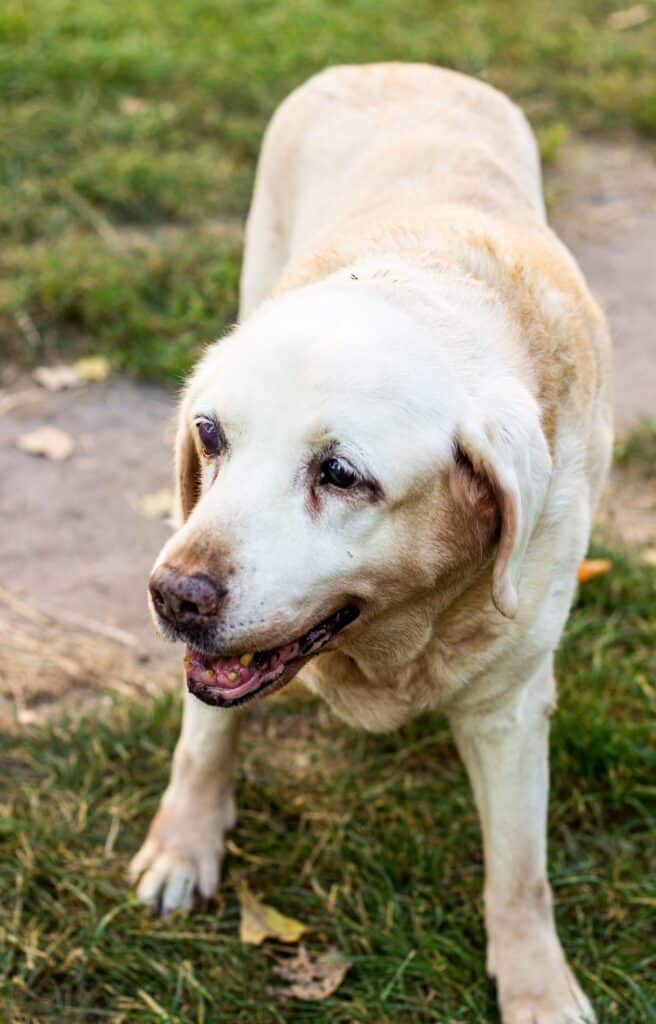
The most common lump we see in senior dogs is the lipoma, a soft, fatty tumour that sits just under the skin. Lipomas are typically round, movable, slow-growing and painless. They’re more common in older and overweight dogs, and certain breeds such as Labradors are especially prone to them. Most lipomas never cause a problem and simply need monitoring, though some are removed if they grow large or sit somewhere awkward, like near a leg joint where they interfere with movement.
The Catch: You Can't Diagnose a Lump by Feel
Here’s the part that matters most. A soft, squishy, movable lump is often a harmless lipoma, but appearances can be deceiving. Some cancerous tumours feel almost identical to benign ones in the early stages, and the only reliable way to know what a lump actually is involves a simple test called a fine needle aspirate.
This quick, minimally invasive procedure uses a small needle to collect cells from the lump, which we then examine under a microscope. In many cases we can give you an answer the same day. It’s the difference between guessing and knowing, and for the small number of lumps that turn out to be something serious, that early answer can change the outcome completely.
Senior Cats: Take New Lumps Seriously
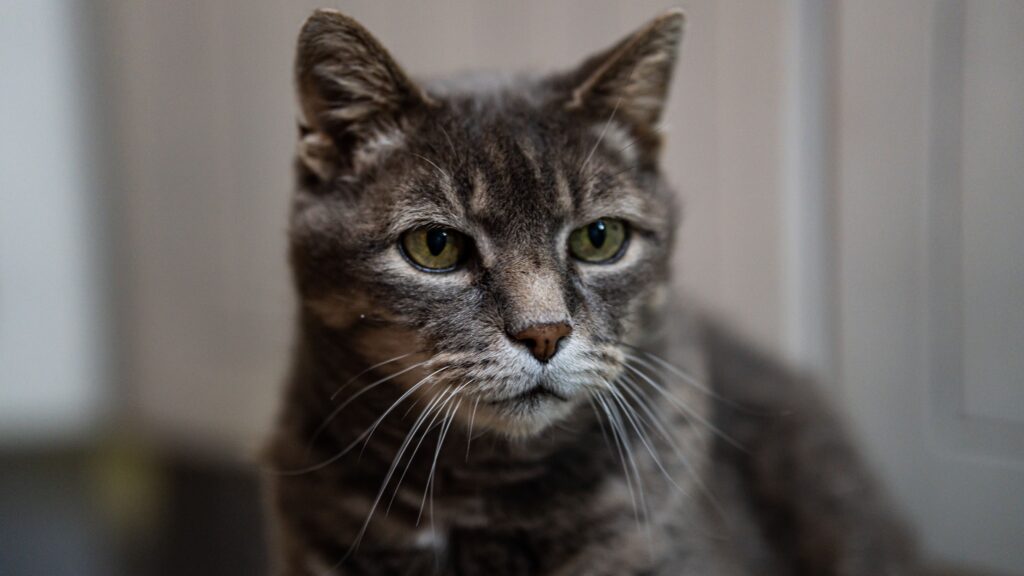
While most lumps on senior dogs are benign, the picture is different for cats. Cats develop fewer skin lumps overall, but a higher proportion of feline lumps are malignant. For this reason, we recommend having any new lump on a senior cat checked promptly rather than adopting a wait-and-see approach. It’s not cause for panic, but it is cause for a phone call.
Warning Signs That Need Prompt Attention
Whatever your pet’s age or species, book a check sooner rather than later if a lump:
- Is growing quickly or changing shape
- Feels hard, or is firmly fixed to the tissue underneath
- Is ulcerated, bleeding, or leaking fluid or pus
- Seems painful, or your pet keeps licking or chewing at it
- Interferes with walking, breathing, or going to the toilet
- Pulling away when you touch their face
It’s also worth mentioning any lump that appears alongside other changes such as weight loss, reduced appetite, or low energy. That extra context helps us build a fuller picture of your pet’s health.
Not All Lumps Are Tumours
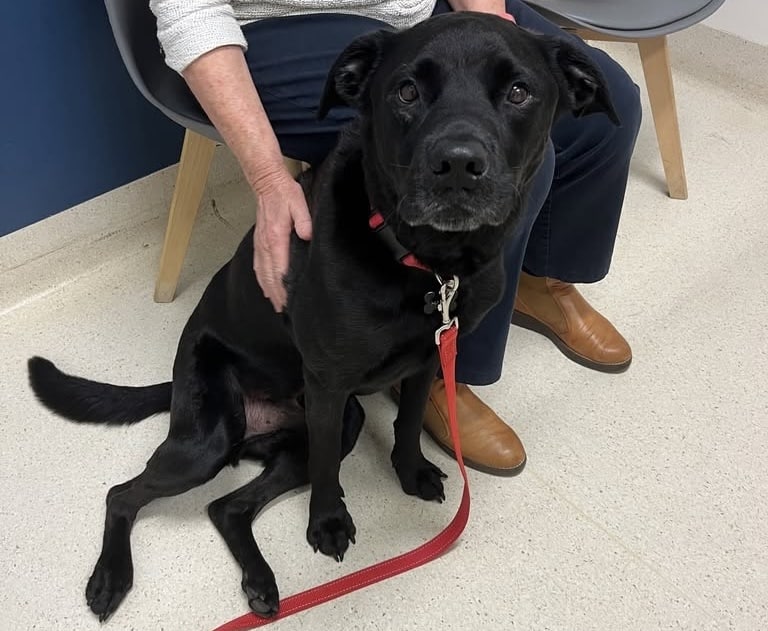
Plenty of the bumps we assess turn out to be other things entirely. Sebaceous cysts form when a skin gland becomes blocked and can resemble a pimple. Warts, or papillomas, are common in older pets and have a cauliflower-like appearance. Abscesses are painful, infected swellings, often from a bite or sting, that need treatment to clear. Whatever the cause, the approach is the same: have it checked rather than guess, and never squeeze or pop a lump at home, as this can drive infection deeper or aggravate the area.
Skin Changes in Older Pets
Lumps aren’t the only thing that shifts with age. Senior pets often develop a thinner or duller coat, drier skin, new pigment spots, small skin tags, or warty growths. Most of these are harmless signs of getting older, but some changes, including persistent sores that won’t heal, flaky or itchy patches, or areas your pet won’t leave alone, are worth having looked at. As with lumps, the value of a check is in telling normal ageing apart from something that needs treating.
Your First Annual Check-Up
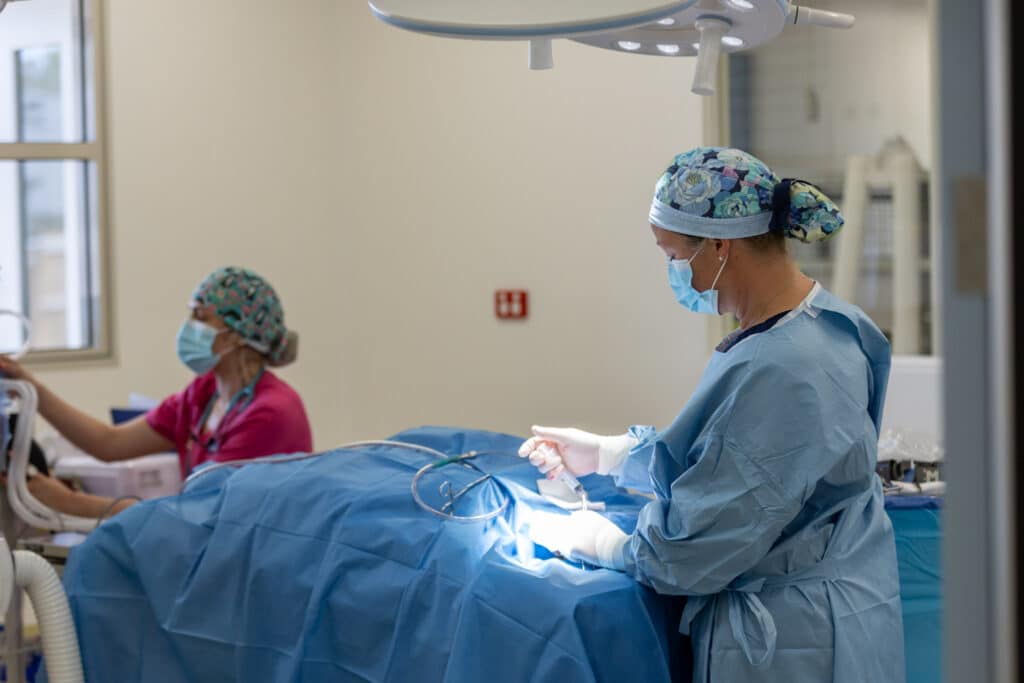
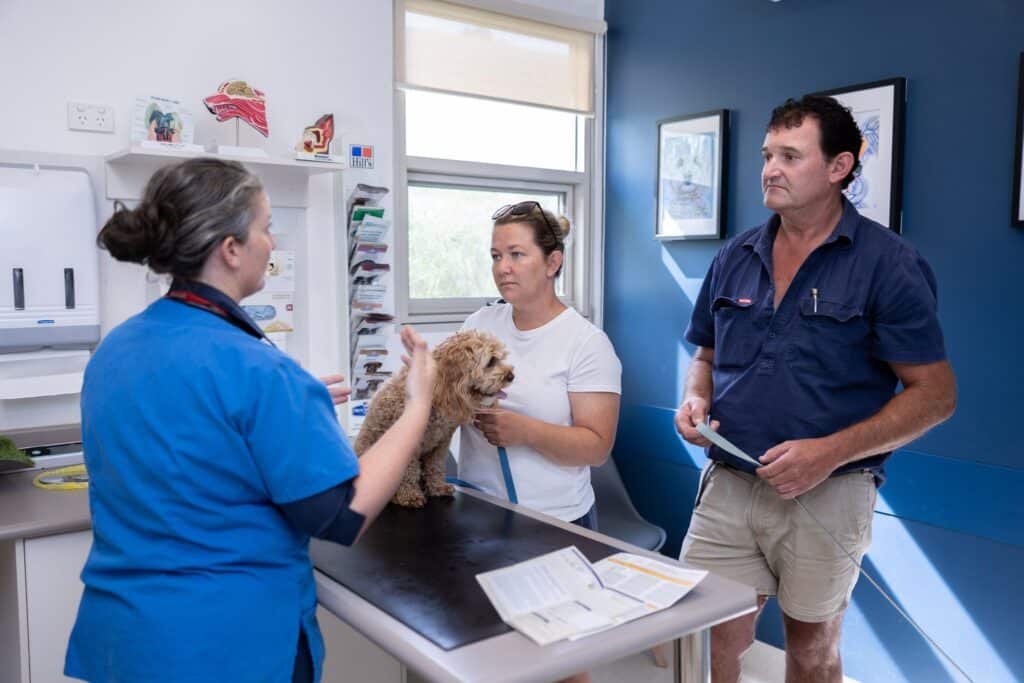
When you bring your senior pet in, we start with a thorough physical examination, feeling carefully over the whole body to map any lumps and assess their size, texture and mobility. From there we may recommend a fine needle aspirate, a biopsy, or imaging such as ultrasound for deeper masses.
Because we have an in-house laboratory, many results come back within hours rather than days, so we can move quickly from “what is it?” to “here’s the plan.” For benign lumps that simply need watching, we’ll set up a monitoring plan, recording measurements and locations so any future change is easy to spot. When removal is the right call, Dr Andrea’s MANZCVS qualification in Small Animal Surgery means complex procedures can be done right here in Wagga, without a trip to Sydney or Melbourne.
Checking Your Senior Pet at Home
You’re your pet’s first line of defence. Once a month, run your hands slowly over your dog or cat from nose to tail, feeling their face, neck, chest, armpits, belly, legs and rear. If you find something, note its size, location and feel, and keep an eye on whether it changes. A simple photo with a tape measure beside the lump gives us a brilliant reference point. Regular senior wellness checks then act as a safety net, catching anything you might have missed.
Peace of Mind Is One Visit Away
Most lumps on senior pets are nothing to worry about, but the only way to be sure is to have them checked, and the reassurance is well worth it. Whether your senior dog or cat lives in Kooringal, Lake Albert, Turvey Park, or anywhere across Wagga and the Riverina, our experienced team is here to help.
Found a new lump or noticed a skin change? Our Golden Oldies senior pet care approach includes lump and skin assessment as part of looking after your ageing companion.
Call (02) 6926 0900 to book.
Available 24/7 for emergencies.
Locations: 132 Urana Street, Wagga Wagga | 140 Broadway Street, Junee